
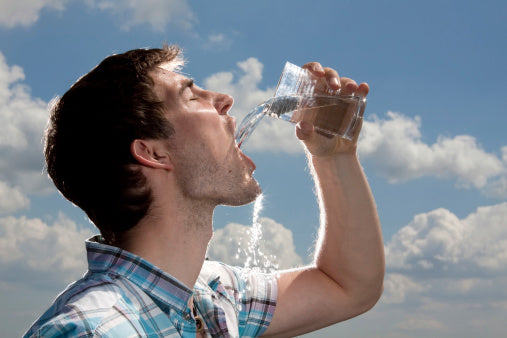
Ah, water. That magical, clear elixir that keeps us alive, glowing, and—if we’re being honest—spending half our day in the bathroom. It’s the one thing we all know we’re supposed to consume in abundance, but have you ever wondered why hydration is such a big deal? Let’s dive into the science behind it, with a splash of humor and a lot of relatable truths.
The Watered-Down Facts
Your body is about 60% water. That’s right—more than half of you is essentially a walking water balloon. Every cell, tissue, and organ in your body depends on water to function. It’s like the oil in a car engine, keeping everything running smoothly. Without it, you’re not going anywhere—literally and figuratively.
Here’s what water does for you:
- Regulates Body Temperature: Your body sweats to cool you down. No water? No sweat. No sweat? Hello, overheating.
- Flushes Out Toxins: Water helps your kidneys filter waste. Skip hydration, and your kidneys start sending angry emails (in the form of fatigue and headaches).
- Keeps Joints Lubricated: Think of water as the WD-40 for your joints. Nobody wants creaky knees at 30.
- Boosts Brain Power: Feeling foggy? Your brain is 75% water. Dehydration can make you forget why you walked into the room in the first place.
But How Much Water Do We Really Need?
You’ve probably heard the old “8 glasses a day” rule. Science, however, is a little more nuanced. The National Academies suggest about 3.7 liters (for men) and 2.7 liters (for women) daily, including all beverages and food. Yes, your coffee counts—though maybe not that venti caramel macchiato with extra whip.
A good rule of thumb? Listen to your body. Thirst is like your body’s polite knock. Ignore it, and it starts banging on the door with symptoms like dry mouth, dark yellow pee, or a headache that feels like your skull is tightening its belt.
What Happens When You Don’t Drink Enough?
Dehydration is like that frenemy you don’t see coming. At first, it’s subtle: you’re a little tired, maybe grumpy. But then it escalates to muscle cramps, dizziness, and even fainting if you’re really neglecting your water duties. Chronic dehydration can mess with your digestion, skin, and even your heart health.
And let’s not forget the worst offense: the dehydration hangover. That dull, pounding headache after a night of poor hydration is your body’s way of saying, “Maybe try a glass of water between cocktails next time?”
Hydration Tips for Real Life
- Carry a Water Bottle: Make it your new accessory. Bonus points if it has motivational phrases like “Keep Going!” or “You’re Almost There!”
- Eat Your Water: Foods like cucumber, watermelon, and oranges are basically edible sponges.
- Set Reminders: Technology isn’t just for scrolling TikTok. Use it to remind yourself to sip!
- Flavor It Up: Hate plain water? Our Keto drink is here to help! Hydration doesn’t have to be boring.
The Bottom Line
Staying hydrated isn’t rocket science, but it is actual science. It’s about paying attention to what your body needs and making hydration a habit. So the next time you feel tired, sluggish, or just “off,” grab a glass of water. Your body will thank you—and so will your brain, skin, and mood.
Now, go forth and hydrate! Or at least, take a sip before you forget.
